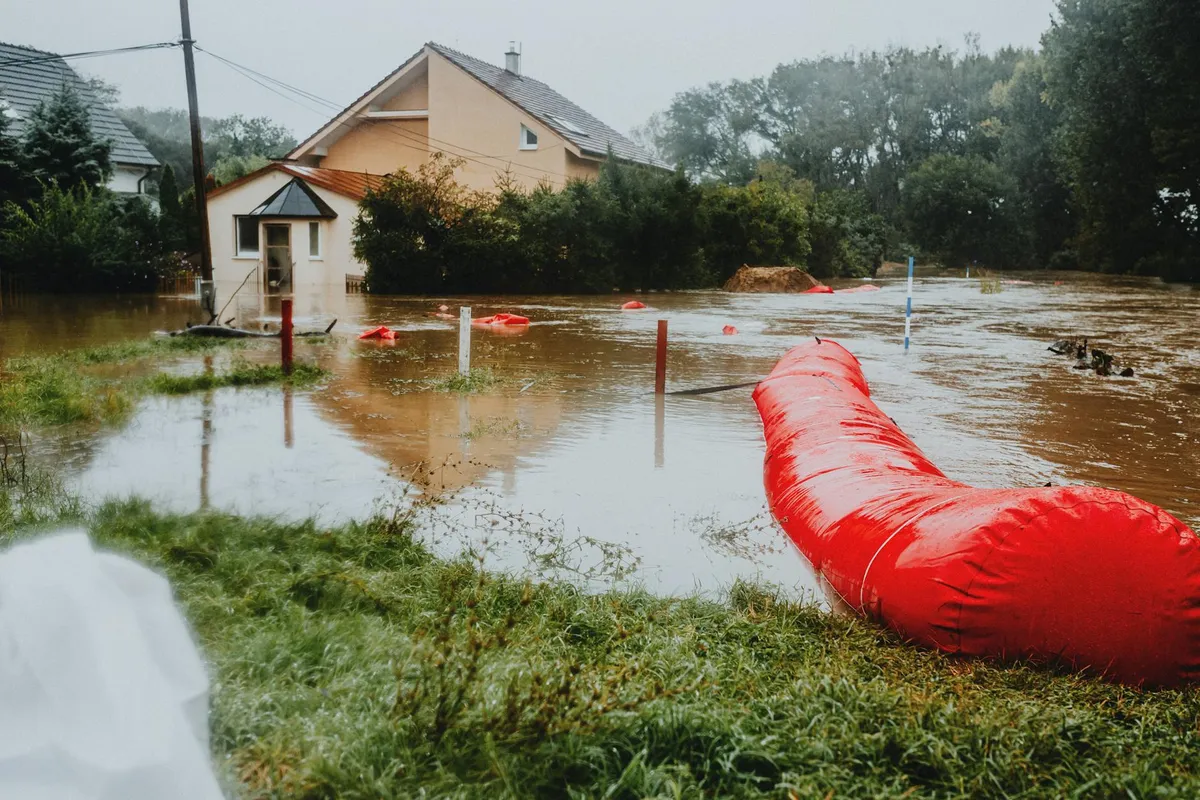
What is basement flooding and when do you need it?
Richmond basement flooding cleanup. Fast water extraction, sump pump evaluation, structural drying, and mold prevention from IICRC-certified pros. Richmond's climate — hot, humid summers and freeze-thaw winters — creates conditions that accelerate both water intrusion and mold growth when damage is not addressed promptly.
Per IICRC standards, water damage restoration should begin within 24-48 hours of an event. Mold begins growing on wet materials within that window (EPA). The cost of waiting typically exceeds the cost of immediate professional response.
When to call a professional vs. handle it yourself
You may not need us if:
- Clean water (Category 1 — broken pipe, not sewage)
- Under 1 inch of standing water
- Area under 50 sq ft
- Caught within 6 hours
- You can dry it completely within 24 hours
Call a certified company when:
- Gray or black water (sewage, floodwater)
- More than 1 inch of standing water
- Water sat more than 12-24 hours
- Finished walls, flooring, or structure affected
- Any musty smell
What does basement flooding cost in Richmond?
Per IICRC industry benchmarks:
- Small contained event (under 2" water, 1-2 rooms): $1,200 - $3,500
- Moderate event (2-6" water, multiple rooms): $3,500 - $7,500
- Significant event (6"+ water, structural involvement): $7,500 - $15,000+
Final cost depends on square footage, water category, how long water sat, and whether mold remediation is required. Richmond's summer humidity can extend drying time and add to total cost. Source: IICRC industry benchmarks.
The restoration process, step by step
- Assessment and documentation: Technicians assess damage scope, document with photos and moisture readings, and identify the water category (1, 2, or 3). This documentation supports your insurance claim.
- Emergency extraction: Truck-mounted extraction units remove standing water and saturated materials. This reduces moisture load before drying begins.
- Selective demolition (when required): Saturated drywall, insulation, and flooring that cannot be dried in place must be removed. Attempting to dry material beyond IICRC thresholds leads to mold.
- Structural drying: High-velocity air movers and commercial LGR dehumidifiers dry wall cavities, subfloors, and framing over 3-5 days. Moisture readings are taken daily.
- Clearance and verification: Job is complete when moisture meter readings confirm all materials have reached IICRC drying goals — not just when surfaces look dry.
Related services
Common questions about basement flooding in Richmond
- Why do basements flood in Richmond?
- Several factors converge in Richmond: clay-heavy Piedmont soils that retain water, heavy summer thunderstorms, and a significant portion of homes with aging sump pumps or no sump pump at all. Neighborhoods near the James River face additional flood risk during high-water events.
- How much does basement flooding cleanup cost?
- Industry benchmarks from IICRC: under 2 inches of water typically runs $1,200-$3,500. Two to six inches runs $3,500-$7,500. Over six inches — or if the water has sat more than 24-48 hours — can reach $7,500-$15,000 or more once mold remediation is factored in.
- Should I get a battery backup sump pump?
- Yes. Primary sump pumps fail during power outages — which often coincide with the exact storms that cause the most flooding. A battery backup unit adds $250-$400 and can prevent a $5,000+ cleanup. It's one of the highest-ROI home improvements for Richmond homeowners with finished basements.
- Can I use fans to dry my basement myself?
- Box fans alone are not sufficient for structural drying. Professional equipment — high-capacity air movers and commercial dehumidifiers — remove moisture from inside wall cavities and subfloors that household fans cannot reach. Using household fans without commercial dehumidifiers often just spreads moisture around.
Authoritative sources: