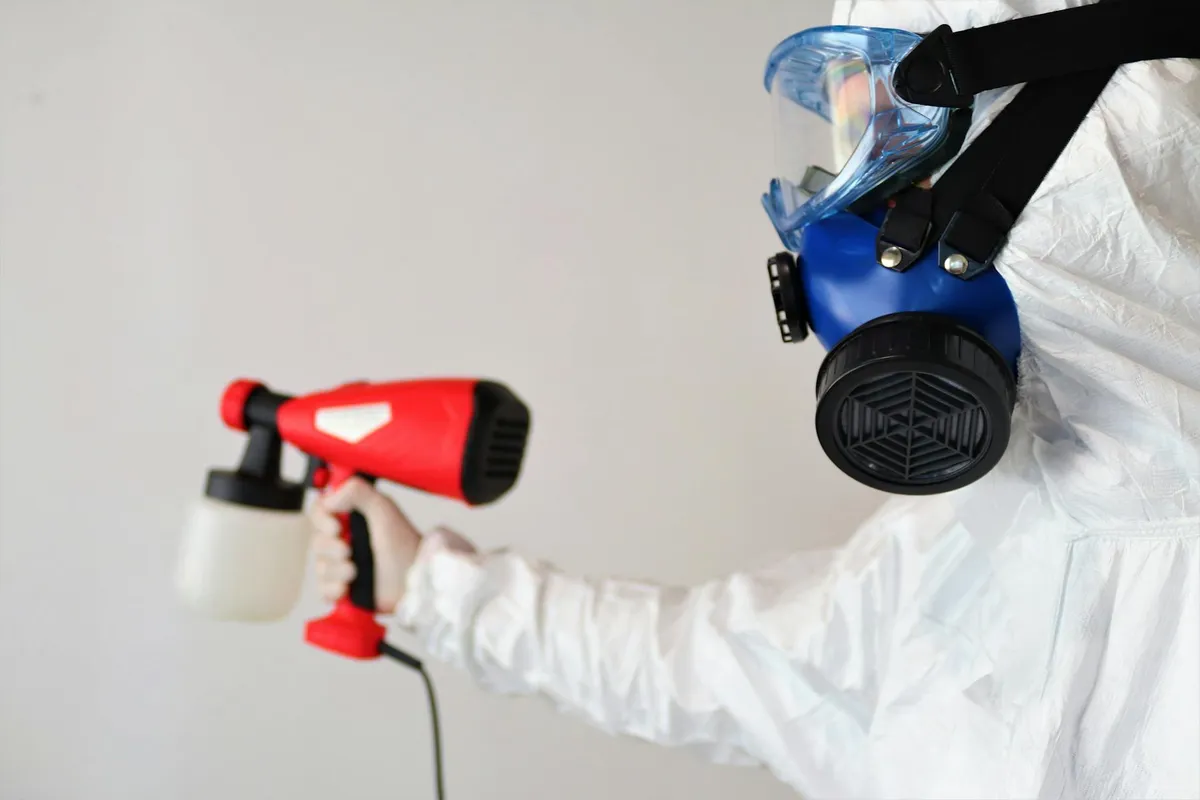
What is mold remediation and when do you need it?
IICRC-certified mold remediation in Richmond, VA. Source identification, containment, removal, and clearance testing. Not just spray-and-pray. Richmond's climate — hot, humid summers and freeze-thaw winters — creates conditions that accelerate both water intrusion and mold growth when damage is not addressed promptly.
Per IICRC standards, water damage restoration should begin within 24-48 hours of an event. Mold begins growing on wet materials within that window (EPA). The cost of waiting typically exceeds the cost of immediate professional response.
When to call a professional vs. handle it yourself
You may not need us if:
- Clean water (Category 1 — broken pipe, not sewage)
- Under 1 inch of standing water
- Area under 50 sq ft
- Caught within 6 hours
- You can dry it completely within 24 hours
Call a certified company when:
- Gray or black water (sewage, floodwater)
- More than 1 inch of standing water
- Water sat more than 12-24 hours
- Finished walls, flooring, or structure affected
- Any musty smell
What does mold remediation cost in Richmond?
Per IICRC industry benchmarks:
- Small contained event (under 2" water, 1-2 rooms): $1,200 - $3,500
- Moderate event (2-6" water, multiple rooms): $3,500 - $7,500
- Significant event (6"+ water, structural involvement): $7,500 - $15,000+
Final cost depends on square footage, water category, how long water sat, and whether mold remediation is required. Richmond's summer humidity can extend drying time and add to total cost. Source: IICRC industry benchmarks.
The restoration process, step by step
- Assessment and documentation: Technicians assess damage scope, document with photos and moisture readings, and identify the water category (1, 2, or 3). This documentation supports your insurance claim.
- Emergency extraction: Truck-mounted extraction units remove standing water and saturated materials. This reduces moisture load before drying begins.
- Selective demolition (when required): Saturated drywall, insulation, and flooring that cannot be dried in place must be removed. Attempting to dry material beyond IICRC thresholds leads to mold.
- Structural drying: High-velocity air movers and commercial LGR dehumidifiers dry wall cavities, subfloors, and framing over 3-5 days. Moisture readings are taken daily.
- Clearance and verification: Job is complete when moisture meter readings confirm all materials have reached IICRC drying goals — not just when surfaces look dry.
Related services
Common questions about mold remediation in Richmond
- Can I remediate mold myself?
- EPA guidelines say mold under 10 square feet is generally safe for homeowners with proper PPE: N95 mask, gloves, and eye protection. A HEPA vacuum and EPA-registered fungicide are also needed. Save the money for larger jobs. For mold over 10 sq ft, or any mold near HVAC systems, call a certified pro.
- What is IICRC AMRT certification?
- Applied Microbial Remediation Technician (AMRT) is the IICRC certification specifically for mold and microbial remediation work. It covers source identification, containment protocols, removal procedures, and post-remediation verification. It's the credential to ask for when hiring a mold company.
- Why does Richmond have high mold risk?
- Richmond's hot, humid summers — regularly above 80% relative humidity from June through September — create ideal conditions for mold growth. Homes with poor ventilation, older HVAC systems, or any unresolved moisture issue are especially susceptible. The James River valley tends to trap humidity.
- Will mold come back after remediation?
- Not if the moisture source is properly addressed. Any company that remediates mold without finding and fixing why that surface was wet is selling you a temporary fix. The mold will return. Legitimate remediation always starts with source identification.
Authoritative sources: